


Hartman Properties Reports Continued Leasing Activity Across Portfolio in First Half of 2026
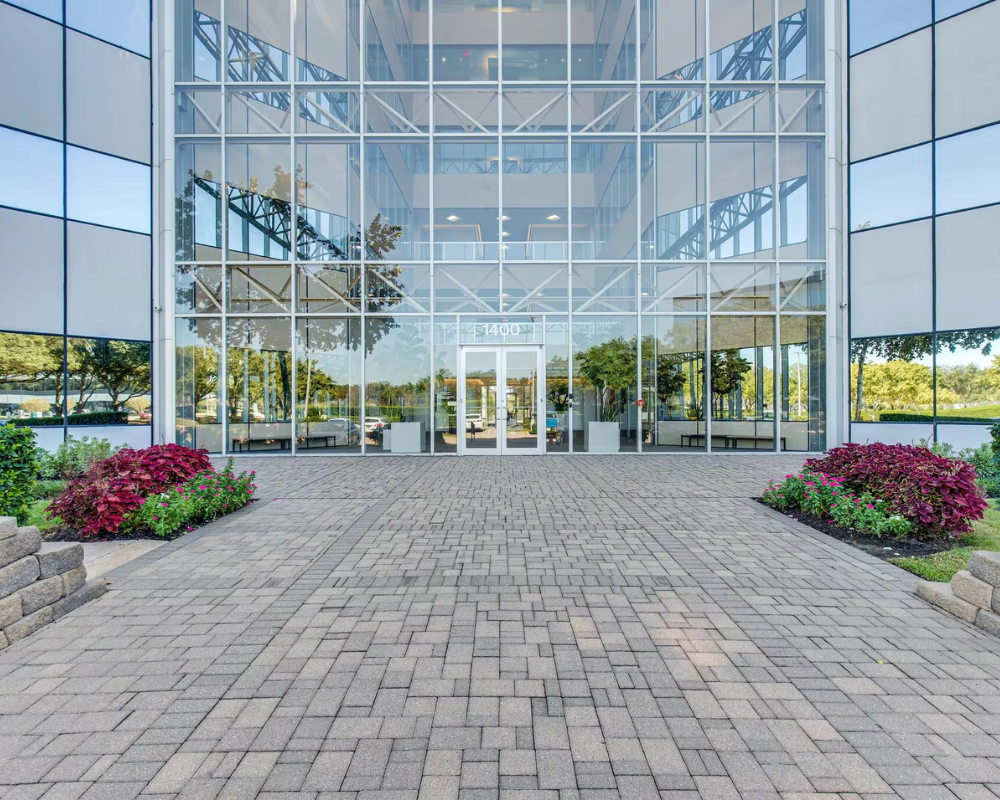
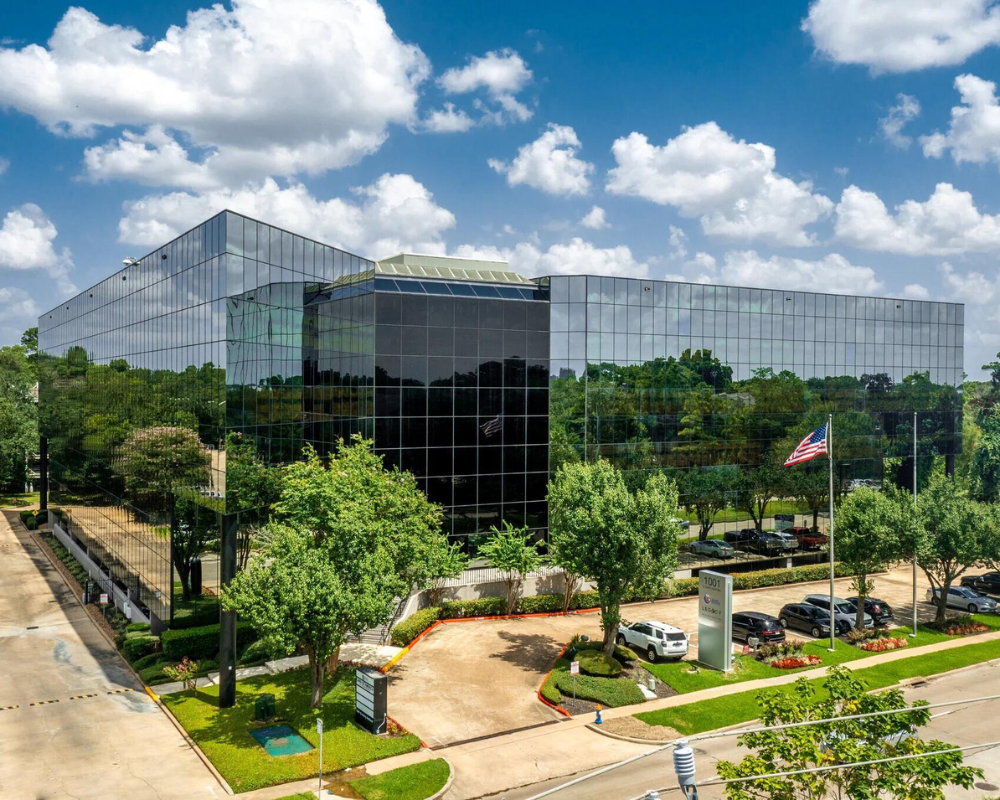
Houston, Texas – Hartman Properties announced its leasing results for the first half of 2026, reflecting continued leasing activity and tenant retention across its Houston and San Antonio portfolio. During the first half of 2026, Hartman executed 59 new leases totaling 75,468 square feet and 56 renewal leases totaling 64,827 square feet, representing a combined 140,295 square feet of new and renewal leasing activity across the portfolio. New Leasing Activity New leases during the first half of the year were completed across Hartman’s Houston and San Antonio properties, including One Park Ten, Two Park Ten, The Willowbrook Building, 11211 Katy Freeway, Timberway II and 16420 Park Ten Place. Notable new leasing activity included: Renewal and Expansion Activity Tenant retention remained an important component of Hartman’s leasing activity during the first half of 2026, with tenants renewing and expanding their commitments across the portfolio. Notable renewals and expansions included: These transactions reflect continued tenant commitments across Hartman’s portfolio and ongoing leasing activity in both Houston and San Antonio. Portfolio Performance As of August 1, 2026, Hartman’s portfolio consisted of approximately 1.1 million square feet, with 855,429 square feet occupied, including executed leases, the portfolio was 82% leased. Several properties continued to demonstrate particularly strong occupancy, including Village Pointe at 100% occupancy, while 16420 Park Ten Place is 96% leased, Ashford on the Bayou is 93% occupied, 1400 Broadfield is 88% occupied, and The Willowbrook Building is 88% occupied. In Houston, the office market recorded an overall office occupancy of 73.4% in Q2. San Antonio’s office market also experienced changing demand conditions during the second quarter. Overall vacancy was 83.1%. The market recorded negative net absorption of 85,357 square feet during Q2, following positive absorption in the first quarter. Against this broader market backdrop, Hartman ended the first half maintaining 82% leased occupancy across its portfolio. Leadership Perspective “The first half of 2026 reflects continued leasing activity across our portfolio, along with strong retention from existing tenants,” said Al Hartman, CEO of Hartman Properties. “Our focus remains on serving our tenants, creating value for our investors, creating leasing opportunities across our properties and maintaining momentum across the portfolio.” Leasing Execution The Company’s leasing activity was supported by its brokerage team, including Ami Figg and Kaila Brodeur, who played a key role in executing new leases, renewals and expansions throughout the first half of the year. Looking Ahead Hartman Properties will continue to focus on leasing and tenant retention across its portfolio while identifying opportunities to increase occupancy and maximize the use of available space. Hartman Properties will continue providing leasing updates as part of its ongoing commitment to transparency with investors and stakeholders. For more information, visit Hartman Properties.